
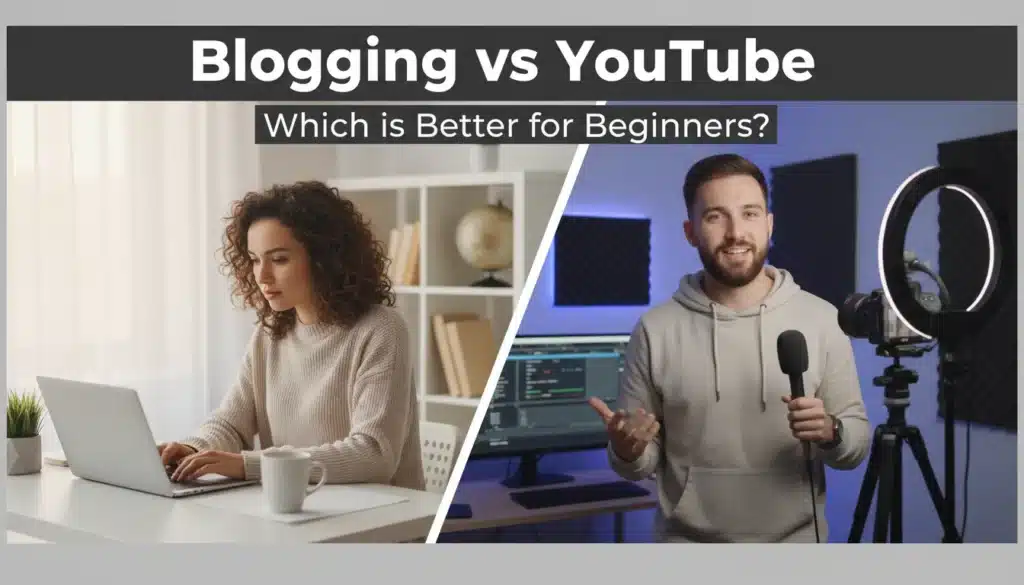

This article helps beginners decide whether to start blogging or YouTube by comparing effort, cost, growth, income, and difficulty in a simple and practical way.
Introduction: Blogging or YouTube – What Should You Start?
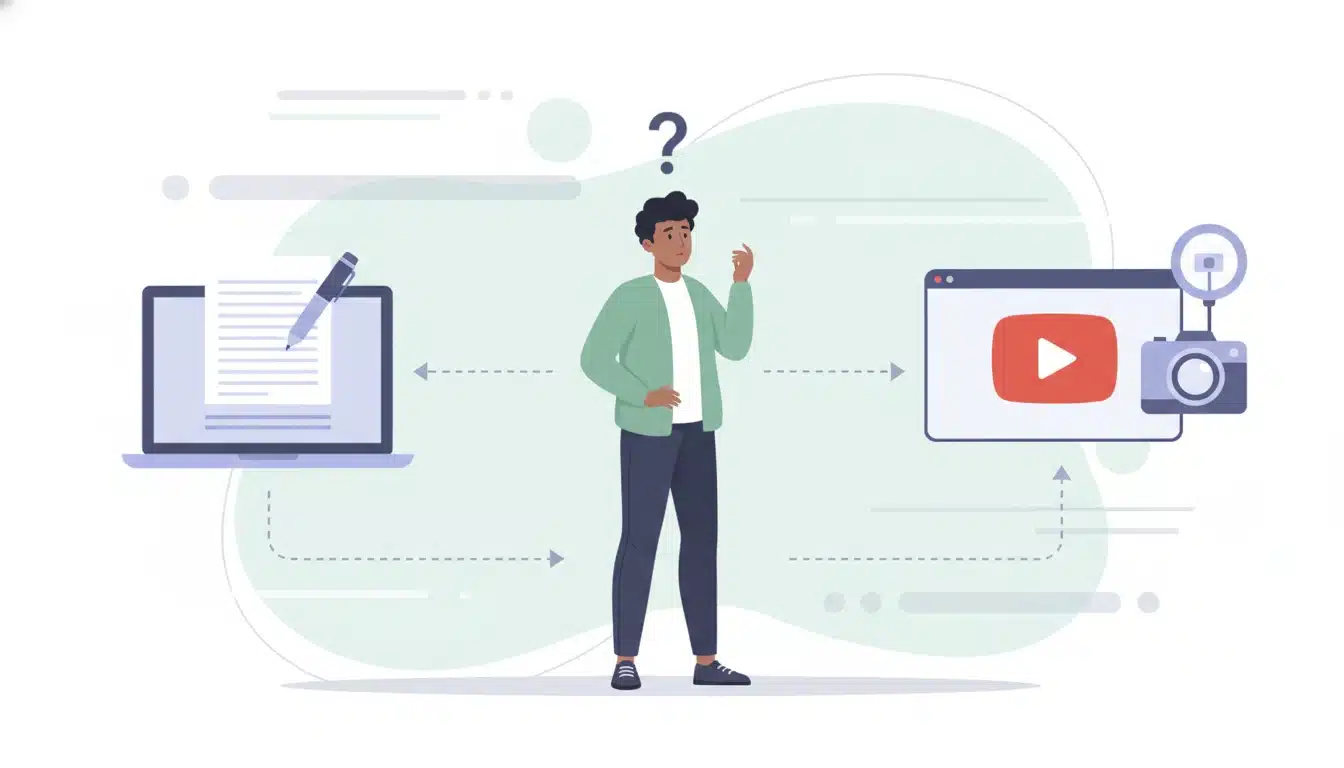
If you are planning to start your online journey, you have probably asked this question:
👉 “Should I start a blog or a YouTube channel?”
This is one of the most common doubts for beginners. Both blogging and YouTube are powerful ways to create content, build an audience, and earn money online. But choosing the right one depends on your skills, comfort, and goals.
Some people feel comfortable writing, while others prefer speaking in front of a camera. Some want faster growth, while others prefer long-term stability.
The truth is simple:
👉 There is no one “perfect” option.
👉 The best option is the one that suits YOU.
In this guide, we will compare blogging vs YouTube step by step in simple language so that you can make the right decision.
What is Blogging?
Blogging means writing articles on a website and sharing information with readers. These articles can be tutorials, guides, reviews, or personal experiences.
For example, if you create a website and write articles like:
- “How to start a blog”
- “Best ways to earn online”
- “SEO tips for beginners”
That is blogging.
People find your content through Google search, read your articles, and learn from you.
What is YouTube?
YouTube is a video platform where you create and upload videos. Instead of writing, you explain things using your voice, face, or screen recording.
For example, you can create videos like:
- Tutorials
- Vlogs
- Reviews
- Educational content
People watch your videos, subscribe to your channel, and follow your content.
Blogging vs YouTube: Simple Comparison
Let’s understand the main differences between blogging and YouTube in a simple way.
1. Ease of Starting
Blogging is easier to start if you like writing. You just need a website and basic knowledge of writing articles. You do not need to show your face or record videos.
YouTube, on the other hand, requires you to record videos. You need a camera (or phone), good lighting, and basic speaking confidence.
👉 Winner: Blogging (for shy beginners)
2. Cost to Start
Blogging may require a small investment. You need to buy a domain and hosting, which can cost around ₹2000–₹4000 per year.
YouTube can be started for free. You can use your phone to record videos and upload them without any cost.
👉 Winner: YouTube (lower cost)
3. Skills Required
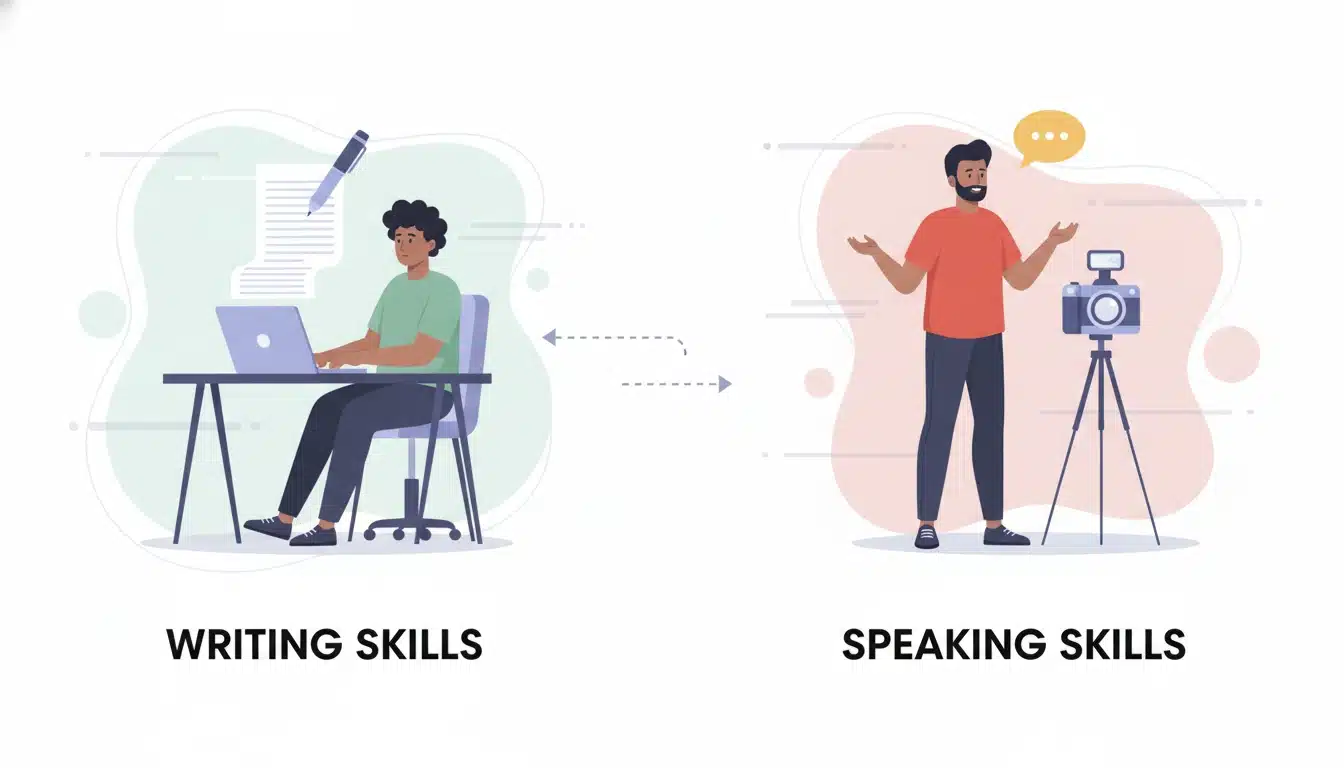
When we talk about skills, blogging and YouTube both need effort, but the type of effort is different. Blogging mainly depends on your ability to write clearly and explain ideas in a simple way. You do not need perfect grammar, but your writing should be easy to understand. Along with writing, you also need basic knowledge of SEO. SEO helps your articles rank on Google, which brings traffic to your blog. Research is another important skill because you must provide correct and useful information.
One big advantage of blogging is that you get time to think and improve. You can write, edit, and fix mistakes before publishing. But the downside is that writing takes patience and consistency. It may feel slow in the beginning.
On the other hand, YouTube requires communication skills. You need to speak clearly and confidently so that people understand you. Many beginners feel nervous in front of the camera, which is completely normal. You also need to learn basic video editing like cutting clips, adding text, and improving sound.
The advantage of YouTube is that you can connect with people faster through your voice and personality. But the disadvantage is that recording and editing take more time and effort compared to writing.
👉 In simple words, blogging is better for people who like writing and working quietly, while YouTube is better for people who enjoy speaking and interacting.
4. Growth Speed
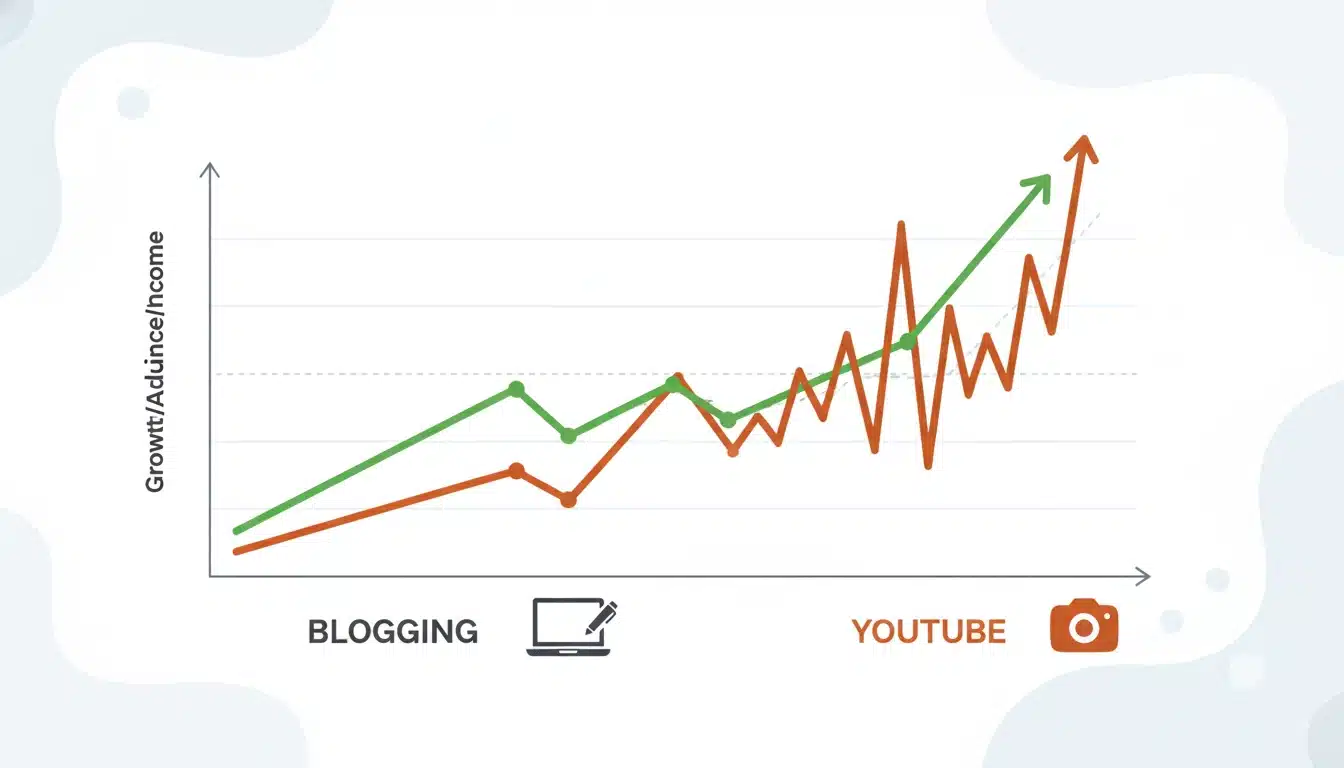
YouTube usually gives faster results. If your video goes viral, you can get thousands of views in a short time.
Blogging takes time. It may take 3–6 months to get traffic from Google.
👉 Winner: YouTube (faster growth)
5. Traffic Source
Blogging mainly depends on Google search. Your articles rank on Google, and people find them.
YouTube traffic comes from:
- YouTube search
- Suggested videos
- Recommendations
👉 Both are powerful, but YouTube has more discovery options.
6. Passive Traffic
Blogging is better for passive traffic. Once your article ranks on Google, it can bring traffic for months or even years.
YouTube videos can also get views over time, but many videos stop growing after some time.
👉 Winner: Blogging (long-term traffic)
7. Income Potential
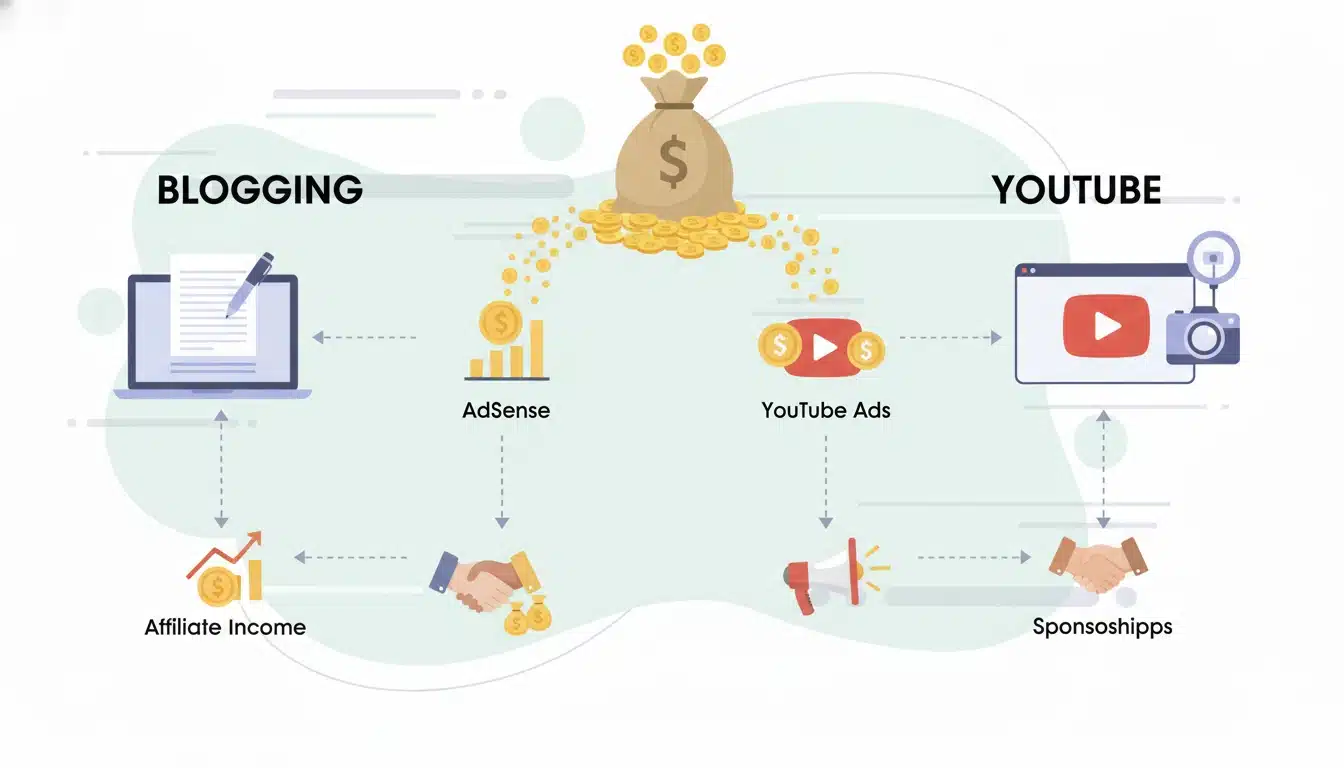
Both blogging and YouTube can help you earn money, but they work in slightly different ways. Blogging usually earns through Google AdSense, affiliate marketing, sponsored posts, and selling digital products. One strong advantage of blogging is that it has higher CPC (cost per click). This means even a smaller amount of traffic can generate good income if your content is targeted.
Another big benefit of blogging is passive income. Once your article ranks on Google, it can bring traffic and earnings for months or even years without much extra work. However, the disadvantage is that it takes time to reach this stage. In the beginning, you may not earn anything.
YouTube also offers many ways to earn money, such as ads, sponsorships, affiliate links, and brand deals. One big advantage of YouTube is that growth can be fast. If one video goes viral, you can get a lot of views, subscribers, and income in a short time.
But there are challenges too. YouTube income depends heavily on views. If your videos stop getting views, your earnings can drop. Also, creating videos regularly requires more time and effort.
👉 In simple terms, blogging gives slow but stable income, while YouTube can give fast but sometimes unpredictable income.
8. Competition Level
YouTube has very high competition because many creators are making videos daily.
Blogging also has competition, but you can rank easily with good SEO and low-competition keywords.
👉 Slight advantage: Blogging
9. Content Creation Time
Writing a blog takes time, but you can edit easily.
Creating a YouTube video takes more effort:
- Recording
- Editing
- Thumbnail creation
👉 Blogging is easier to manage.
10. Personal Branding
YouTube is better for personal branding because people see your face and hear your voice.
Blogging builds authority but less personal connection.
👉 Winner: YouTube
Blogging vs YouTube: Quick Summary
| Factor | Blogging | YouTube |
|---|---|---|
| Easy to Start | Yes | Moderate |
| Cost | Medium | Free |
| Growth Speed | Slow | Fast |
| Passive Traffic | High | Medium |
| Effort | Medium | High |
| Personal Branding | Low | High |
Which is Better for Beginners?
Now comes the most important question: which one should you choose as a beginner?
The answer depends on your personality and comfort level. Blogging is usually better for beginners who are shy, do not want to show their face, or prefer working behind the scenes. It allows you to take your time, think properly, and write at your own pace. You can edit your content before publishing, which reduces mistakes.
However, blogging requires patience. You may not see traffic or results quickly, which can feel discouraging at first.
YouTube is better for beginners who enjoy speaking, sharing ideas, and connecting with people. It offers faster growth and better personal branding because people can see your face and hear your voice.
But YouTube also comes with challenges. Recording videos, editing, and facing the camera can feel uncomfortable in the beginning. It also requires more effort per content piece.
👉 So, blogging is best for slow and steady growth, while YouTube is best for faster and more interactive growth.
Blogging vs YouTube: Pros and Cons
✅ Blogging: Pros and Cons
✔️ Pros of Blogging
| Pros | Explanation |
|---|---|
| Easy to Start | You only need basic writing skills and a website to begin |
| No Camera Needed | Perfect for shy people who don’t want to show their face |
| Passive Traffic | Blog posts can bring traffic for months or years from Google |
| High CPC Earnings | Blogging often has better ad rates (AdSense income) |
| Full Control | You own your website and content completely |
| Flexible Work | You can write anytime at your own pace |
| Easier Editing | You can edit and update posts anytime |
❌ Cons of Blogging
| Cons | Explanation |
|---|---|
| Slow Growth | It can take 3–6 months to get traffic |
| SEO Required | You must learn SEO to rank on Google |
| Initial Cost | Domain and hosting require some investment |
| Writing Skill Needed | Not suitable if you don’t like writing |
| Competition | Many blogs already exist in popular niches |
| Patience Needed | Results are not instant |
🎥 YouTube: Pros and Cons
✔️ Pros of YouTube
| Pros | Explanation |
|---|---|
| Free to Start | No investment needed, you can use your phone |
| Fast Growth | Videos can go viral quickly |
| Strong Personal Branding | People connect with your face and voice |
| High Engagement | Likes, comments, and shares increase reach |
| Multiple Income Sources | Ads, sponsorships, affiliate marketing |
| No SEO Required Initially | You can grow through recommendations |
❌ Cons of YouTube
| Cons | Explanation |
|---|---|
| Camera Fear | Many beginners feel shy or nervous |
| Time-Consuming | Recording and editing take more effort |
| Inconsistent Income | Earnings depend on views |
| High Competition | Many creators are already active |
| Requires Consistency | You must upload regularly |
| Equipment Needed (Later) | For quality, you may need mic, lighting, etc. |
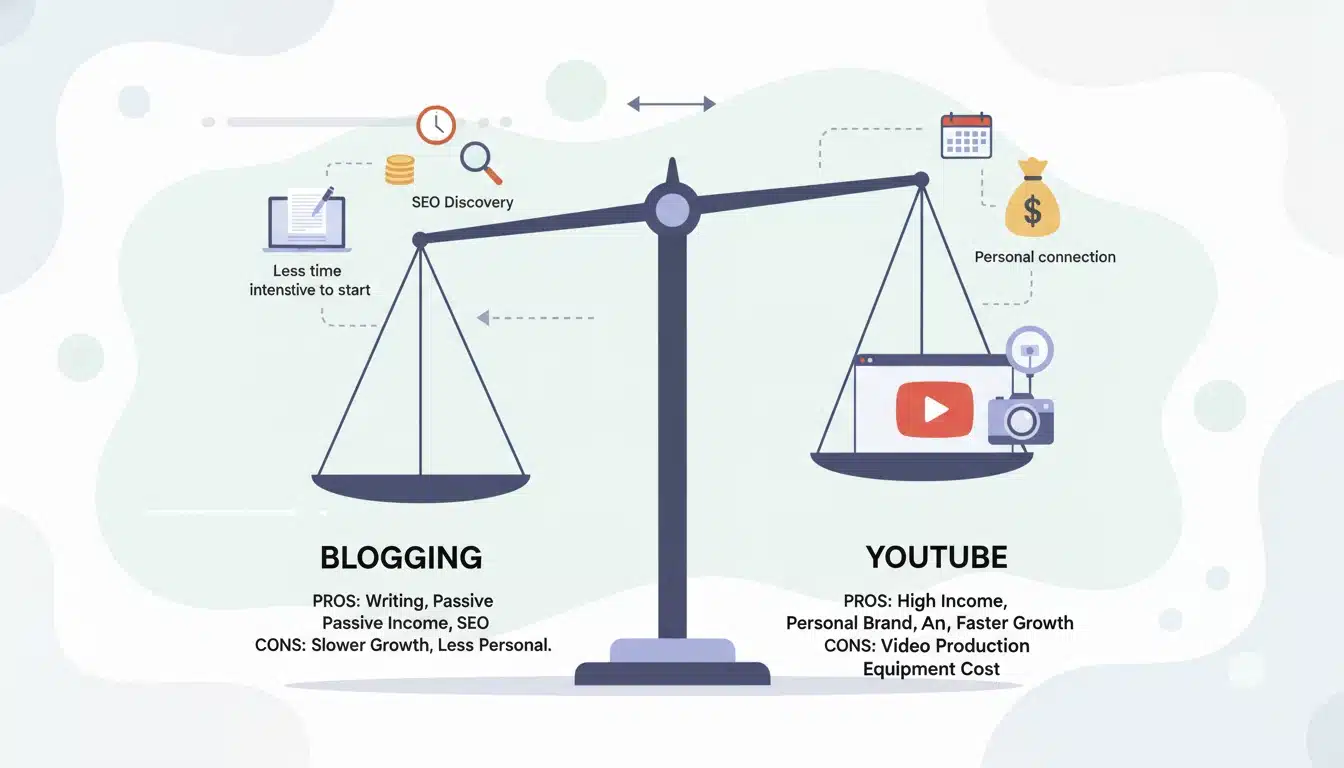
👉 “If you want long-term passive income, blogging is better. If you want faster growth and personal branding, YouTube is a strong choice.”
Can You Do Both?
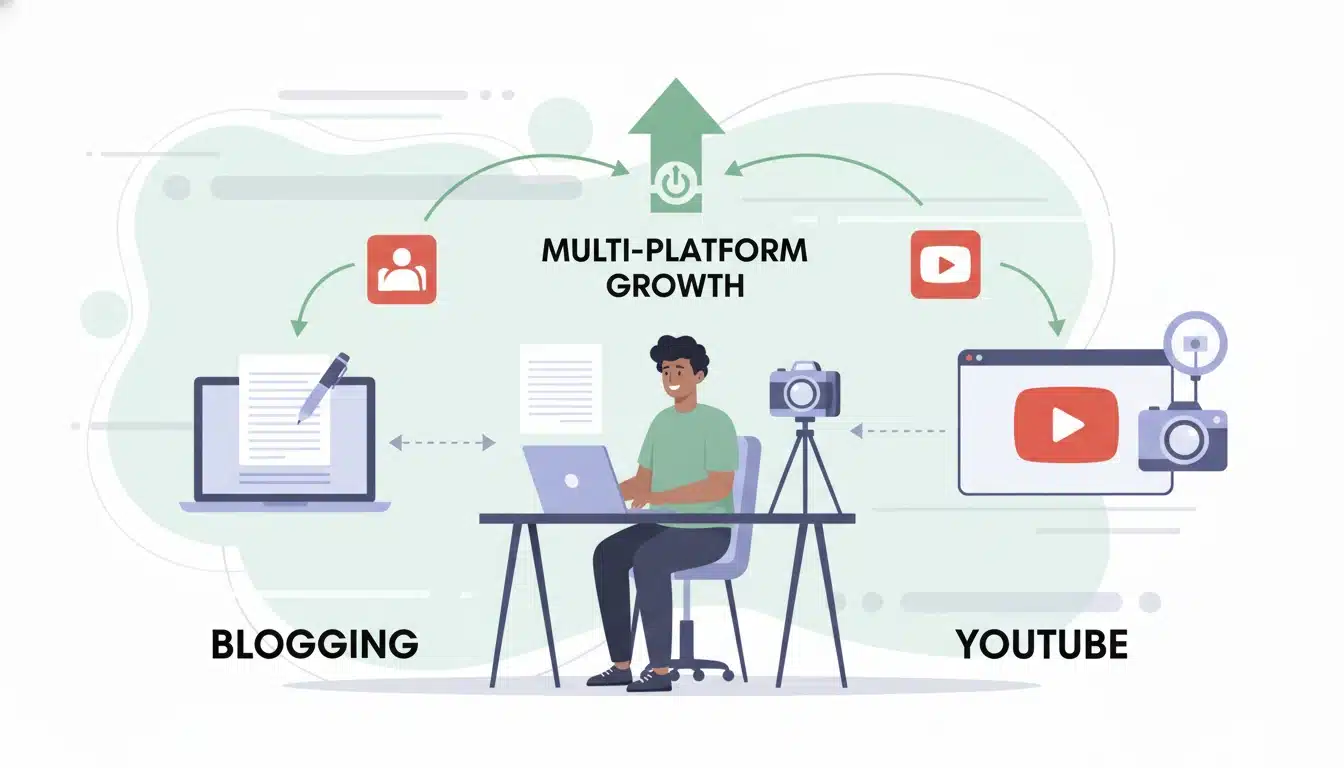
Yes, you can do both blogging and YouTube, and this is actually one of the best strategies if done correctly. Many successful creators use both platforms together to grow faster.
For example, you can write a blog post explaining a topic in detail. Then you can create a YouTube video on the same topic where you explain it in a simple and engaging way. This helps you reach both types of audiences: people who like reading and people who prefer watching videos.
The biggest advantage of this approach is that you get traffic from multiple sources. Your blog can bring visitors from Google, while your videos can bring viewers from YouTube.
However, there is also a challenge. Managing both platforms at the same time can feel overwhelming for beginners. It requires time, effort, and planning.
👉 A smart approach is to start with one platform, build consistency, and then slowly expand to the second platform.
Step-by-Step Plan for Beginners
If you are still confused, here is a simple and practical plan you can follow.
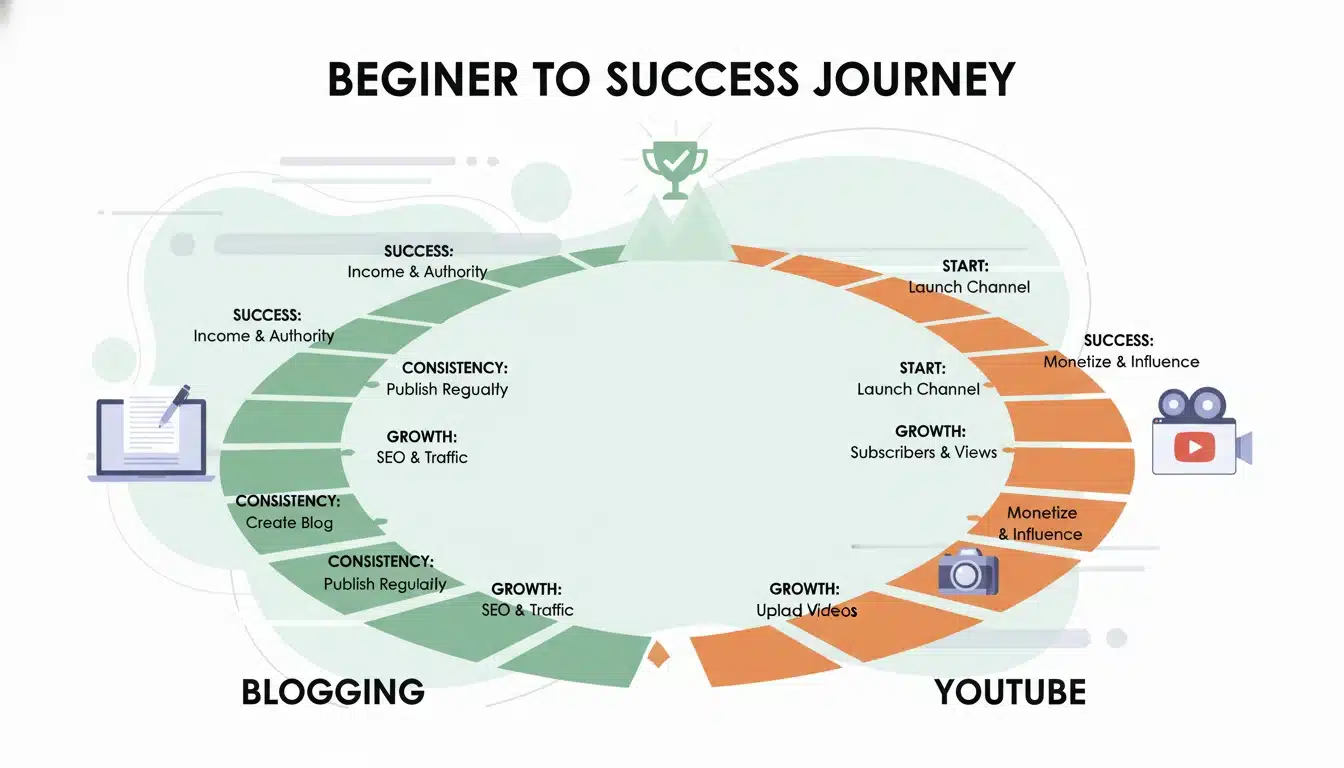
First, choose one platform based on your comfort. Do not try to start both at the same time. Focus on one so you can learn properly.
Next, create a list of at least 10 content ideas in your niche. These should be based on real problems or questions that people search for. This will help you stay consistent and avoid confusion later.
Then, start creating content regularly. Aim to publish one blog or one video every week. Do not focus on making it perfect. Focus on improving with each post.
After that, give yourself at least 2–3 months. During this time, keep learning and improving. Check what type of content works better.
Finally, once you feel confident and start seeing results, you can expand to the second platform. This way, you grow step by step without feeling overwhelmed.
Step 1: Choose ONE platform
Don’t try to do everything at once. Pick:
- Blog → if you like writing, SEO, explaining things
- YouTube → if you’re comfortable speaking or showing things visually
👉 The goal here is focus. Most beginners fail because they split attention.
Step 2: Create 10 pieces of content
Think of this as your “starter batch.”
- Blog → 10 articles
- YouTube → 10 videos
Don’t aim for perfection. Aim for:
- Clear topic
- Helpful information
- Decent structure
👉 This phase teaches you how content creation actually works.
Step 3: Stay consistent for 3 months
This is where most people quit.
Set a realistic schedule:
- 2–3 posts/videos per week (ideal)
- Or at least 1 per week (minimum)
During this time:
- You improve your skills
- You start understanding your audience
- Platforms begin to notice your activity
👉 Consistency matters more than quality at the beginning.
Step 4: Check results
After ~3 months, look at:
- Views / traffic
- Engagement (likes, comments, watch time)
- What topics performed best
Ask yourself:
- What worked?
- What didn’t?
- What should I double down on?
👉 This step turns effort into strategy.
Step 5: Expand to second platform
Now you grow smarter, not harder.
- Turn blog posts into videos
- Turn videos into blog posts
This is called content repurposing—it saves time and multiplies reach.
Common Mistakes to Avoid
Many beginners make mistakes that slow down their growth.
One common mistake is trying to be perfect. People spend too much time thinking and editing, but they never publish. This delays progress. It is better to start simple and improve later.
Another mistake is trying to do both blogging and YouTube at the same time without experience. This often leads to burnout because managing both requires effort.
Quitting early is another major mistake. Many beginners stop after a few weeks because they do not see results. But both blogging and YouTube take time to grow.
Copying others is also harmful. You should learn from others but create your own style and content.
Finally, ignoring SEO (for blogging) or basic video strategies (for YouTube) can reduce your chances of growth.
👉 The best way to avoid these mistakes is to stay consistent, keep learning, and focus on progress instead of perfection.
Final Thoughts
Blogging and YouTube both are powerful.
There is no wrong choice.
The only wrong thing is not starting.
If you like writing, start blogging.
If you like speaking, start YouTube.
And if possible, do both step by step.
Conclusion
Choosing between blogging and YouTube is not about which platform is better. It is about which platform is better for YOU.
Both platforms can help you build a career, earn money, and grow your online presence. The difference is in your comfort level and consistency.
If you stay consistent and keep improving, you can succeed on either platform. Do not overthink your decision. Pick one, start creating, and learn as you go.
Remember, success does not come from choosing the perfect platform. It comes from taking action and staying consistent.
FAQs
1. Is blogging better than YouTube?
Both are good. Blogging is better for writing and long-term traffic, while YouTube is better for fast growth and personal branding.
2. Can beginners start YouTube easily?
Yes, beginners can start with a smartphone and basic editing.
3. How long does blogging take to grow?
It usually takes 3 to 6 months.
4. Can I earn more from blogging or YouTube?
Both have good earning potential depending on your content and audience.
5. Which is easier to start?
Blogging is easier if you like writing.
6. Do I need investment for blogging?
Yes, small investment for domain and hosting.
7. Is YouTube free to start?
Yes, completely free.
8. Which platform gives faster results?
YouTube usually gives faster results.
9. Can I do blogging without SEO?
It is difficult. SEO is important.
10. Can I do YouTube without showing my face?
Yes, you can create faceless videos.
11. What is better for passive income?
Blogging is better for passive income.
12. Which has more competition?
Both have competition, but YouTube is more competitive.
13. Should I start both together?
Not at the beginning. Focus on one first.
14. How often should I post?
At least once a week.
15. Can blogging help in jobs?
Yes, it builds authority and skills.
16. Do YouTubers earn from ads?
Yes, through YouTube Partner Program.
17. Is writing easier than video creation?
For many beginners, yes.
18. What is the biggest mistake?
Quitting early.
19. Which is better in 2026?
Both are still strong platforms.
20. What should I do now?
Pick one platform and start today.