


This article helps beginners find a profitable niche for blogging, using a step-by-step, practical, and easy-to-follow approach with real examples and personal guidance.
Introduction: The Biggest Mistake I Made as a New Blogger
When I first started blogging, I made the classic mistake of writing about everything I liked. One day it was technology, the next day personal finance, then motivation. I believed that covering multiple topics would attract more readers, but it didn’t. My blog had no focus, and neither readers nor Google understood its purpose. Despite regular posting, traffic stagnated, and my motivation declined.
This experience taught me a vital lesson: your niche determines your blogging success. A clear, focused niche not only helps Google understand your content but also allows you to build authority, attract a loyal audience, and monetize effectively. In this guide, I will walk you through the practical, step-by-step process I use to select a profitable niche that works for beginners in 2026.
👉 Your niche is the foundation of your blogging success.
A profitable niche is not just a topic; it’s the lens through which your content gains clarity, authority, and monetization potential. In this guide, I’ll show the exact process I follow to choose a profitable niche, step by step, with practical examples for beginners.
What is a Blogging Niche?
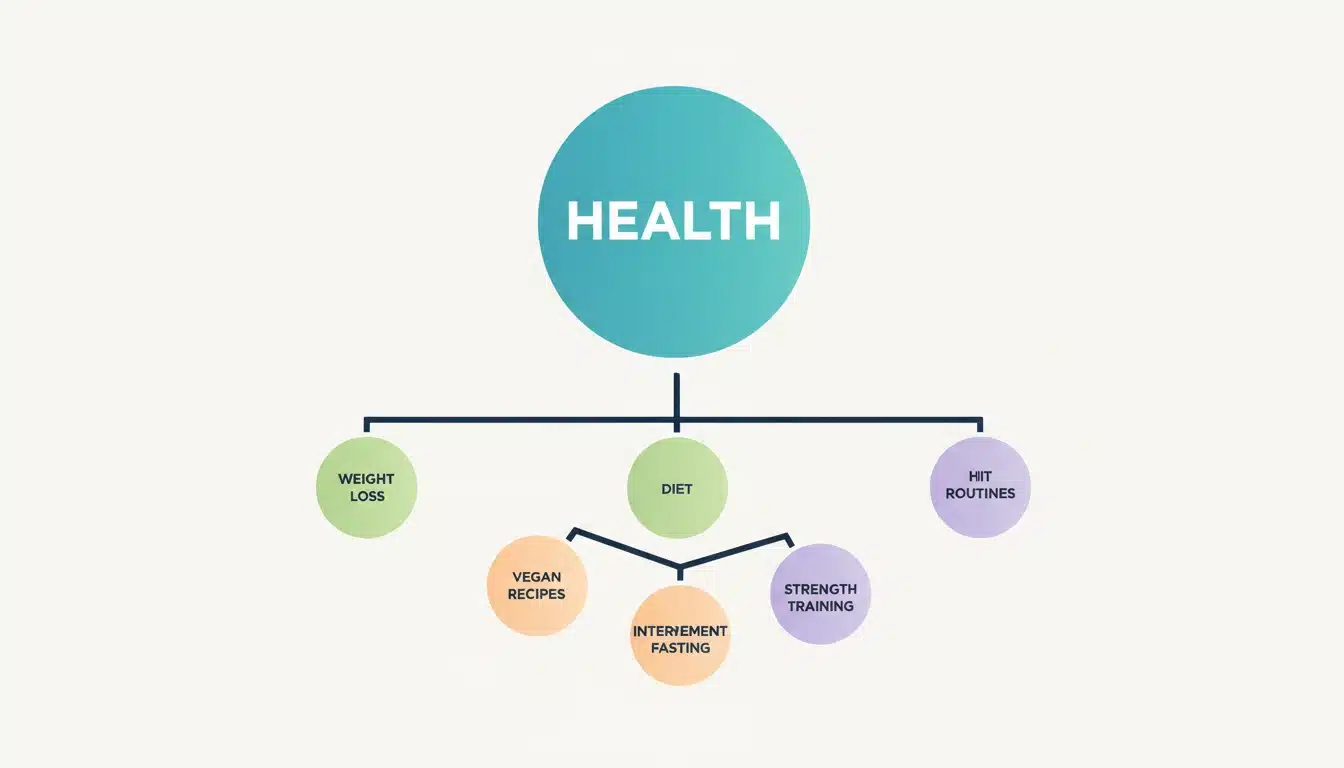
A blogging niche is the central topic or theme around which your blog revolves. It defines the audience you serve and the problems you solve. While a broad category like “fitness” or “technology” might seem appealing, it is often too general to build authority quickly. Instead, a focused niche works better. For instance, “home workouts for beginners” or “simple tech tutorials for students” are more specific examples that immediately communicate your blog’s purpose. By narrowing your focus, you make it easier for both search engines and readers to understand your value.
Examples of Blogging Niches:
- Health & Fitness
- Personal Finance
- Technology
- Education
Common Beginner Mistake: Choosing a Broad Niche
A broad niche like “fitness” or “technology” may seem appealing but is harder to grow. A more specific approach works better:
- Instead of “Fitness” → “Home workouts for beginners”
- Instead of “Technology” → “Simple tech tutorials for students”
✅ Key takeaway: Narrower niches help establish authority faster and attract a dedicated audience.
Why Choosing the Right Niche is Crucial
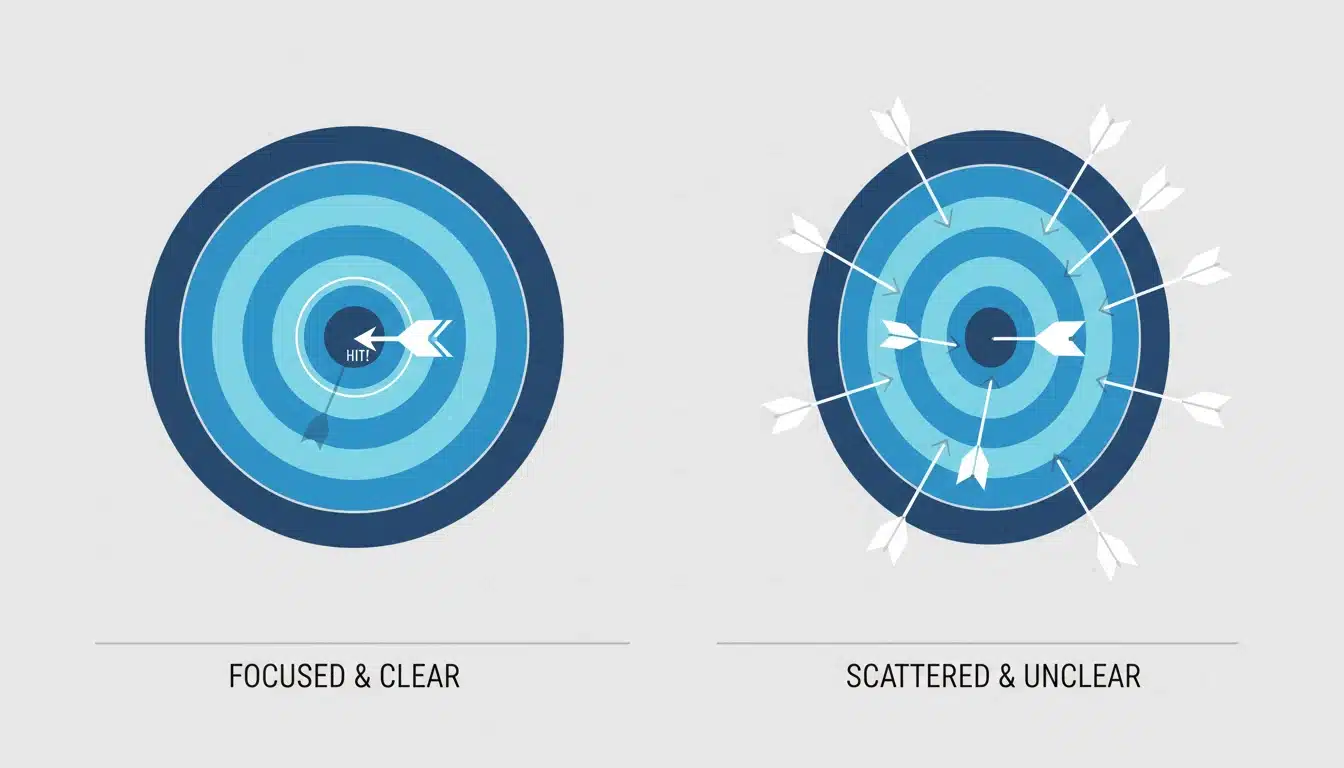
Focusing on a specific niche improves every aspect of blogging:
- Better SEO and Google Ranking: Search engines understand your blog topic more clearly, helping your content rank faster.
- Audience Trust: Readers trust blogs that consistently solve their specific problems.
- Easier Content Creation: A defined niche prevents writer’s block and makes topic planning simpler.
- Higher Monetization Potential: A focused niche allows for targeted products, affiliate marketing, and ad revenue.
Step 1: Start With Yourself
Before chasing trends or potential profits, reflect on your interests and expertise. Ask yourself:
- What topics am I genuinely passionate about?
- What do I research or talk about often?
- What problems have I solved that others might face?
For example, I chose blogging and online earning because I was already learning and experimenting in this field daily.
The first step in choosing a profitable niche is to look inward. Before worrying about money or trends, consider what genuinely interests you and where your expertise lies. Ask yourself questions like: what topics am I naturally drawn to? What do I often research online? What problems have I solved that others might struggle with? Your passion and experience will sustain your motivation, even when growth is slow. When I restarted my blogging journey, I chose blogging and online earning as my niche because I was already learning and experimenting in this area daily. Selecting a niche based on personal interest ensures long-term consistency and engagement.
💡 Tip: Avoid selecting a niche solely for money. Passion sustains your motivation.

Step 2: Identify Problems You Can Solve
A profitable niche solves real problems. Readers search online because they need answers:
- “How to lose weight” → problem: weight management
- “How to earn money online” → problem: financial freedom
- “How to start blogging” → problem: guidance for beginners
A profitable niche always addresses a specific problem. People turn to Google because they have questions or challenges they want to resolve. For example, someone might search for “how to lose weight,” “how to earn money online,” or “how to start blogging.” These are problems that require solutions. By focusing on topics where you can genuinely help people, you not only attract readers but also establish credibility. The key is to ask yourself: what problems can I solve that others are actively searching for?
💡 Action step: List the problems you can help your audience solve.

Step 3: Validate Search Demand
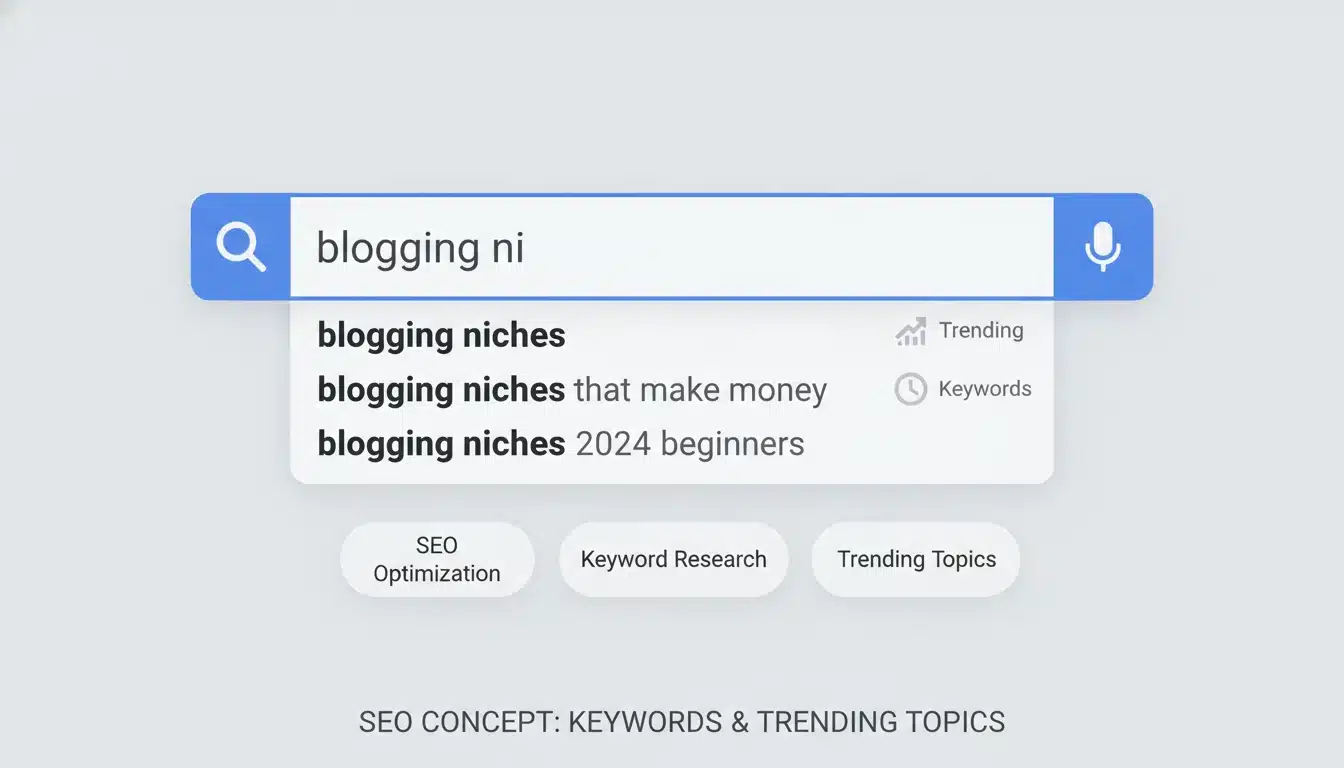
Even if you enjoy a topic, it must have audience interest. Tools and strategies to check demand:
- Google Search Suggestions – type your topic and see popular queries.
- Keyword Tools – Ubersuggest, Ahrefs, or SEMrush can show search volume.
- “People Also Ask” – Google’s Q&A section reveals common questions.
Even if you are passionate about a topic, your niche must have sufficient audience interest to be profitable. To validate demand, you can use several strategies. Google search suggestions provide a quick view of what people are searching for. Keyword research tools like Ubersuggest, SEMrush, or Ahrefs allow you to check search volume and competition. The “People Also Ask” section on Google is another excellent way to discover frequently asked questions related to your topic. If there is consistent search activity for the problems you plan to solve, it indicates that your niche has real potential.
💡 Key Insight: Search demand indicates real opportunity.
Step 4: Analyze Competition Smartly
Competition isn’t inherently bad—it shows the niche is profitable. The goal is finding low-competition opportunities:
- Instead of targeting “blogging” (high competition)
- Focus on “how to start blogging for students” (low competition, targeted audience)
Many beginners shy away from competition, fearing they cannot succeed. The truth is, competition often signals profitability. Instead of avoiding competitive niches, focus on finding low-competition opportunities within them. For instance, rather than targeting the broad keyword “blogging,” you could focus on a long-tail keyword like “how to start blogging for students.” Serving a specific sub-niche allows you to build authority more quickly and attract an audience that is easier to convert. Learning to analyze competition intelligently is a crucial skill for sustainable growth.
💡 Remember: Beginners win by serving untapped sub-niches, not avoiding competition entirely.

Step 5: Assess Monetization Potential
Ask yourself: Can I make money from this niche?
Profitable niches often have:
- Affiliate products to promote
- Ad revenue potential (Google AdSense)
- Digital product opportunities (courses, ebooks)
Examples:
- Finance → high affiliate and product revenue
- Tech → gadgets, software, and tutorial monetization
- Blogging → multiple income streams (affiliate, course, consultancy)
A niche may be interesting and have demand, but it also needs to be financially viable. Consider whether your niche offers opportunities for monetization, such as affiliate marketing, advertising, or digital products. Some niches, like personal finance or tech, often have multiple revenue streams, while others may require more creativity. Ask yourself: can I create products, recommend services, or display ads that align with my niche? Ensuring your niche can generate income allows your blogging efforts to be sustainable in the long term.

Step 6: Test Your Niche
Avoid overthinking. Test your niche with 5–10 articles to evaluate:
- Do you enjoy writing this content?
- Is there traffic potential?
- Can you maintain this niche long-term?
Once you have identified a potential niche, it is important to test it before fully committing. Write 5–10 articles and observe how the process feels. Are you enjoying the research and writing? Is there initial traffic or engagement? Testing helps you evaluate both your interest in the topic and the audience’s response. This step reduces the risk of investing months into a niche that may not be sustainable, giving you valuable insights to make an informed decision.
💡 Testing reduces risk and provides clarity before committing fully.
Step 7: Narrow Down for Faster Growth
Specificity accelerates growth. For instance:
- ❌ Broad: “Fitness” → ✅ Narrow: “Weight loss for beginners at home”
- ❌ Broad: “Education” → ✅ Narrow: “Study tips for college students”
💡 Rule of thumb: The more focused your niche, the easier it is to dominate search results and build an engaged audience.
Narrowing your niche is where true growth begins. Broad niches are difficult to dominate because they cover too many topics. For example, instead of “fitness,” choose “weight loss for beginners at home.” Instead of “education,” try “study tips for college students.” A narrow, focused niche makes content creation easier, builds authority faster, and helps attract a loyal audience. The more specific your niche, the more likely you are to become the go-to source for your readers.
Best Profitable Blogging Niches in 2026
- Blogging & Online Earning
- Health & Fitness
- Personal Finance
- Technology
- Education
- Self-Improvement
Some proven niches for beginners include blogging and online earning, health and fitness, personal finance, technology, education, and self-improvement. While these niches are profitable, your unique perspective or angle within a niche often matters more than the niche itself. For example, a health blog could focus specifically on home workouts for seniors, which targets a highly engaged audience.
💡 Pro tip: Your unique angle within a niche is often more important than the niche itself.
Common Mistakes Beginners Make
- Multiple Niches: Writing on many topics dilutes authority.
- Chasing Trends Only: Trends fade; evergreen content builds lasting traffic.
- Ignoring Demand: Writing for yourself without audience research limits growth.
- Giving Up Too Early: Blogging success requires persistence and patience.
Many beginners make mistakes that slow their growth. Writing about multiple niches spreads effort too thin. Chasing only trends can bring short-term traffic but fails to build long-term authority. Ignoring audience demand by focusing solely on personal interest can limit your growth potential. Finally, giving up too early prevents you from experiencing the compounding benefits of consistent blogging. Learning from these mistakes can save time and accelerate your success.
How I Finally Chose My Niche
After my initial failure, I re-evaluated:
- What do I enjoy?
- What are people searching for?
- Can I monetize it?
I chose blogging and online earning, focused on beginners, and started small. With consistency, traffic grew, proving:
Right niche + consistent action = sustainable growth.
Final Thoughts: Take Action, Don’t Overthink
Choosing a niche may feel daunting, but it doesn’t have to be perfect. Follow this process:
- Start with your interests
- Identify audience problems
- Check search demand and competition
- Test and refine
Choosing a niche may seem daunting, but the process is straightforward if approached systematically. Start with your interests, identify problems, validate demand, analyze competition, test your ideas, and narrow your focus. Don’t wait for a perfect niche; choose a good one, start creating, and refine it along the way. Consistency, patience, and a focus on problem-solving will grow your blog into a sustainable platform.
💡 Start with a good niche, improve along the way, and remain consistent.
Conclusion
Choosing a profitable niche is not just an early decision in your blogging journey—it is the foundation that shapes everything that follows. From the type of content you create to the audience you attract and the income you generate, your niche influences every aspect of your blog’s growth. A well-defined niche gives your blog direction, helps search engines understand your content, and builds trust with readers who are looking for specific solutions.
However, it is important to remember that you don’t need to find a “perfect” niche before starting. Clarity often comes through action. By selecting a niche that aligns with your interests, solves real problems, and has proven demand, you set yourself up for long-term success. As you publish content and gain experience, you will naturally refine your focus and improve your strategy.
Blogging in 2026 is still full of opportunity, but success belongs to those who are consistent, patient, and focused. Instead of overthinking or delaying your start, take the first step with confidence. Choose a niche that feels right, create valuable content, and commit to learning along the way.
In the end, growth in blogging is not about luck—it is about direction and persistence. And with the right niche, you are already on the right path.

FAQs: In-Depth Answers
1. What is a blogging niche?
A blogging niche is the core topic your blog focuses on. It defines the audience you serve and helps build authority in a specific area.
2. How do I choose a profitable niche for blogging?
Start with your interests and expertise, identify audience problems, research search demand, analyze competition, and test content before committing.
3. Which niche is best for beginners?
Blogging, technology tutorials, education tips, and health/fitness are beginner-friendly because they have clear audiences, low barriers to entry, and monetization opportunities.
4. Can I change my niche later?
Yes, but changing a niche requires rebranding and may impact SEO. Choosing wisely upfront reduces future friction.
5. How many niches should I focus on?
Stick to one main niche initially. Diversifying too soon can dilute authority and slow growth.
6. Is competition bad?
No. Competition validates demand. Focus on sub-niches or long-tail keywords to carve out your space.
7. How do I find low-competition keywords?
Use tools like Ahrefs, SEMrush, or Ubersuggest to find long-tail, low-competition keywords your audience is searching for.
8. Can I blog about a niche I don’t know?
Yes, but you must be willing to learn and engage deeply. Interest and persistence are more important than initial knowledge.
9. How long does it take to see results?
Typically, 3–6 months of consistent posting can yield initial traffic, but full growth and monetization may take 6–12 months.
10. What is an evergreen niche?
Evergreen niches cover topics that remain relevant over time, like personal finance, health, or education, ensuring consistent traffic.
11. Can I earn from any niche?
Yes, provided there is demand, audience interest, and monetization options.
12. What is a micro-niche?
A highly specific sub-niche, e.g., “meal planning for vegan students,” allowing targeted content and easier audience engagement.
13. Should I follow trends?
Yes, selectively. Use trends to complement evergreen content, not replace it.
14. Is blogging still profitable in 2026
?
Absolutely. With the right niche, SEO strategy, and consistent effort, blogging remains a viable income source.
15. How important is SEO?
SEO is critical. Without it, your content may never reach the right audience.
16. Can I start blogging without money?
Yes, free platforms exist, but investing in hosting and tools accelerates growth and credibility.
17. How many articles should I start with?
At least 20 quality articles to build initial content and demonstrate expertise to readers and search engines.
18. What if I fail?
Treat failure as feedback. Analyze what didn’t work, pivot your strategy, and continue consistently.
19. Can I run multiple blogs?
Yes, but focus on mastering one niche first to build authority before expanding.
20. What’s the best advice for beginners?
Start now, stay consistent, and focus on solving real problems for your audience. Momentum compounds over time.